WHAT IS LEARNING LOSS?
You may have heard the term “learning loss” and wondered if your student is falling behind because of the politicians and media use of this term in relation to schooling during COVID, but what is learning loss and where did it come from? The term learning loss is not a new term and is not unique to our current pandemic. It has been used by pundits, politicians, and reformers for many years. According to The Glossary of Education Reform (last updated 2013) “The term learning loss refers to any specific or general loss of knowledge and skills or to reversals in academic progress, most commonly due to extended gaps or discontinuities in a student’s education” (Learning Loss Definition 2013). Usually, this term is associated with the summer break and students’ lack of continued skills practice during these months leading to a delay in the recall of previously learned information. Generally, this term is associated with testing and students’ performance on tests.
Since the beginning of the pandemic and the shift from in-person learning to distance learning, this term has become very popular among politicians and the news media. It has caused a frenzy among parents (rightfully so) concerned that their children are going to fall behind. The purpose of the discussion was to ensure that all students have access to learning and their needs are being met, regardless of the location of the class. But it shifted to a panic that suggests that students who have been given access and where teachers are working with students providing high-quality instruction on a daily basis are not learning and somehow falling behind. With COVID and distance learning all across the country adults are focused on learning loss and their solutions vary from, schools must be open, to extending the school year, to making all students repeat a grade or a number of other well-intended but nearly impossible to implement solutions. But as Neema Vashia shared, “One of my students said it best when she said, “Adults’ intentions might be good, but their solutions are really lacking.”(Ferlazzo, 2021)
“Learning is complicated. Plutarch famously wrote that minds are not vessels to be filled but fires to be kindled.”
-John Ewing, Forbes
ARE STUDENTS ACTUALLY LEARNING?
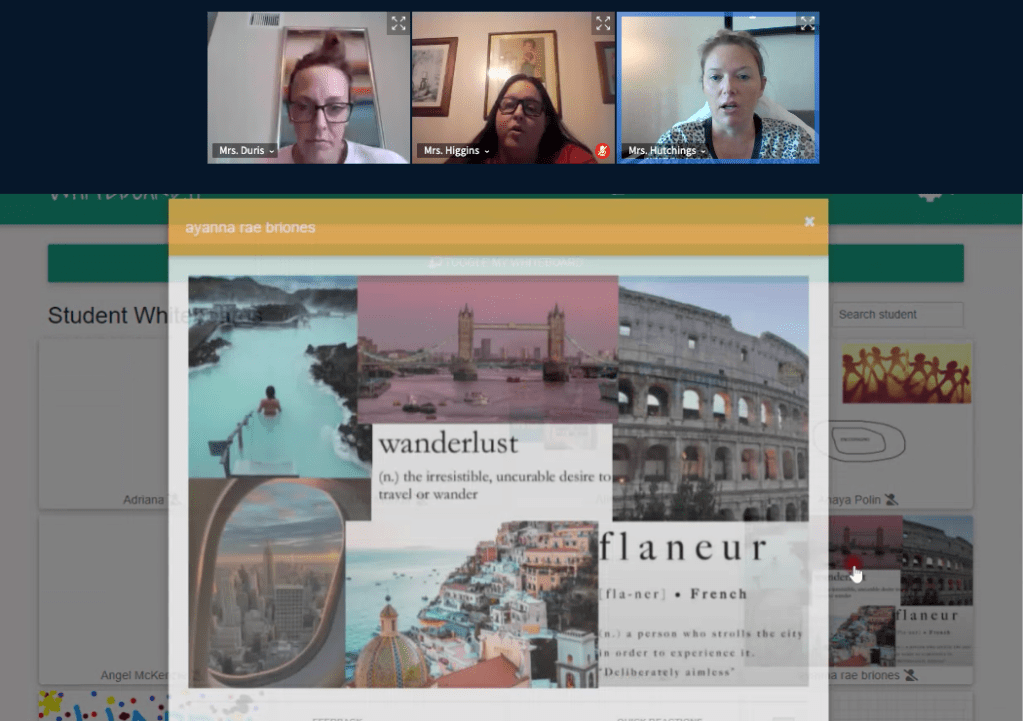
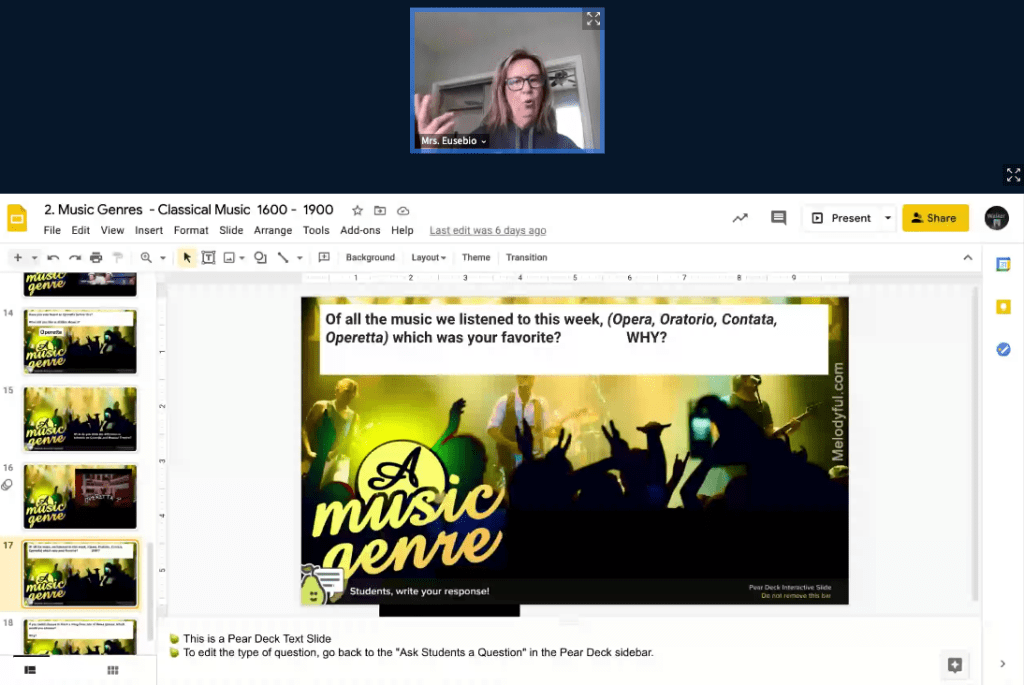
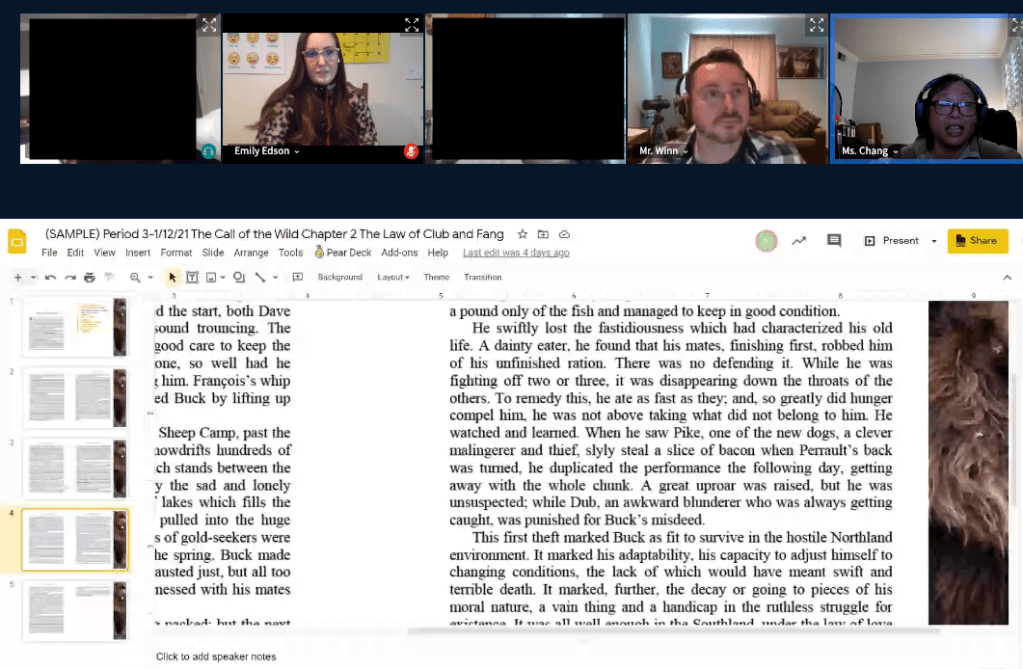
Of course, we would like to reopen. We love our students and miss seeing them in person. But until we are allowed to do so, we must focus on what students are learning and receiving, and help build up their resilience and recovery during this pandemic. We want to reassure parents of Walker students that though things may look different than the traditional school setting, students at Walker are learning. We have actually taken the challenge of teaching during a pandemic as an opportunity to reflect on how and what we teach. We have refocused our teaching and learning to the 6C’s. (Creativity, Communication, Collaboration, Compassion, Critical Thinking, and Civic Mindedness) This refocusing has supported more active learning and engagement among our students. They are not “vessels” waiting to be filled with facts and information; instead, they are active participants in their learning. They are working with others, finding multiple ways to communicate academically, and creating new ideas and solutions to problems after critically analyzing the information from multiple sources. Through our civics lens, students are carefully considering the impact of various problems on their communities and society as a whole. Students aren’t falling behind some invisible (and arbitrary) mark we have self-imposed; instead, they are learning new ways to think and learn.
THE FUTURE OF LEARNING IS NOW
We encourage you to look for these changes in learning and see how your student is growing in their education. We would argue that learning is happening and learning loss is not the reality for our students. Sure, there are obstacles and barriers to overcome. We worked hard to ensure equal access to all students regardless of their race, creed, or socioeconomic status. We provided them first with the tools, then the training to use those tools, followed by a caring, supportive and engaging instructional program. By removing the affective filters, and addressing Maslow’s hierarchy we opened the door to learning in a new way. With a 98% attendance rate, during distance learning, our students are engaged and learning. The world has changed and education must evolve with those changes so our children can be ready for a future we have never experienced. We don’t think you will be disappointed.
*You can find links to the articles referenced below

WALKER STUDENTS DEMONSTRATE RESILIENCE & RECOVERY
At Walker, we have strived to ensure students are learning and progressing even during the pandemic. We focused on resilience and recovery. The goal is to help students be successful regardless of the learning platform. We often speak of “grit” and the power of the word “yet” at school. This is because we know that students are going to face many challenges and fail multiple times in their life. We want them to know that they have the power to overcome any challenges and that failures are simply part of the learning process that leads you to a path of success.
Walker students are making amazing strides and have demonstrated their learning through projects such as creating mini-documentaries, using math skills to solve their way out of virtual escape rooms, written multiple essays on a variety of topics, demonstrated critical thinking and analysis through short writing to learn exercises, participated in class discussions and community circles, performed virtually in Band, Choir or Drama, completed simulated labs through Science and of course competed in strategy and skill through eSports and learned coding and virtual engineering through STEAM. These are just a few of the many examples of our students demonstrating their learning and their resilience. They are learning and being successful despite the unfamiliarity of a non-traditional learning environment. They are successful despite the challenges of facing a pandemic while learning. They are successful despite the adults in their lives not always knowing or understanding the best next step.
Because we believe very strongly that our student’s voices are important, we decided to ask our students the same questions in the article from Education Week. The responses below are from a sampling of our 8th graders. (they are unedited and their own words) As a staff and as a community we hope to learn from our students and their experiences.
During the pandemic, what are things that you feel like you’ve lost?
- During the pandemic, I feel like I lost some friendships, and the outdoors.
- During the pandemic, I feel like I lost some friendships and lost some focus
- I feel like I lost in touch with some friends.
- During the pandemic, I feel like I lost my focus in class and I just don’t have the motive to do school work.
- During the pandemic, I feel like I’ve lost connection with my friends and going outside I feel I have lost some effort to do work.
- During the pandemic, I feel like I’ve lost touch with my friends.
- During the pandemic, one thing that I have lost is my social skills and health.
- With the pandemic, I feel like I’ve lost some motivation for school work.
- During the pandemic, I feel like I have lost focus and motivation in school and outside of school.
- During the pandemic, I feel like I’ve lost connection with friends and social interaction.
During the pandemic, what are the ways that you have seen yourself grow or learn new things?
- During the pandemic, I found some new hobbies that I would’ve never seen myself doing and enjoying them.
- During the pandemic, I’ve learned how to see things in positive ways especially since there have been some ups and downs throughout the pandemic.
- I learned how to be more independent as well as be grateful for small things.
- During the pandemic, I learned to try out new things and I talk to my parents more often.
- I’ve seen myself grow by making new hobbies and having a better relationship with my sibling.
- During the pandemic, I’ve really seen that I have grown to do hobbies and find many interests.
- During the pandemic, I’ve seen myself grow by using my time wisely and to find things that I actually enjoy.
- During the pandemic, one thing that I have seen myself grow in and learn is my care for my family.
- I have seen myself grow into learning new and different websites to do work in.
- During the pandemic, I’ve seen myself grow by learning how to manage my time wisely, set priorities, and follow a routine.
Many adults in education right now are very focused on the idea of “learning loss.” They think that kids are falling behind academically during the pandemic. What do you want those adults to know about you and your experience during the pandemic?
- I want the adults to know that it is a little true, but not too much because this pandemic taught me to become more organized and more time manageable.
- I would like the adults to know that it has been hard and tough trying to keep my head up without the communication of talking to my friends on a daily basis, but overall it has been a great experience doing school online and getting good sleep we all need.
- I want the adults to know that we are learning a lot of stuff, but it can be overwhelming sometimes, so I think it’s best that we just take it slow and not to give too much information to learn all at once.
- I want the adults to know that it’s really hard and we try our best, and I think we need a little more motivation to keep going.
- I want those adults to know that that is true to some point but it can be hard and challenging because we are learning new things.
- It’s kind of a struggle, but we try to manage. We are trying our best, and it’s hard for us when we are being forced with homework on the daily.
- I want those adults to know that they are correct but not at the same time. It can be a little difficult and new to the students but if you focus and listen in class they shouldn’t be falling behind. But I think they should take it to step by step.
- I want the adults to know that it can be true to a certain extent, however, that is not always true.
- As in the pandemic, you can learn new things through technology, and a new way to learn.
- I want those adults to understand that the students most likely would want to know where help can be found in case of emergencies like I once needed to.
- I want those adults to know that sometimes students can become overwhelmed with classwork and understand that sometimes we won’t do our best or turn things in on time.
Resources
Ewing, J. (2020, December 28). The Ridiculousness Of Learning Loss. Forbes. https://www.forbes.com/sites/johnewing/2021/12/28/the-ridiculousness-of-learning-loss/?sh=4f4076a57c32.
Ferlazzo, L. (2021, February 2). Students Respond to Adults’ Fixation on ‘Learning Loss’ (Opinion). Education Week. https://www.edweek.org/leadership/opinion-students-respond-to-adults-fixation-on-learning-loss/2021/02.
Great Schools Partnership. (2013, August 29). Learning Loss Definition. The Glossary of Education Reform. https://www.edglossary.org/learning-loss/.
 The Principal Has Homework